

Gas Safety Certificate - Legal Requirement For Homeowners and Landlords
Gas safety certificates are essential for any person who owns a property with a gas source. This document details an inspection conducted by an engineer from the Gas Safe engineer.
It lists all appliances and installations that were examined. It also lists whether the appliances and installations were inspected and passed or failed.
Legal Requirements
In a number of regions, the requirement for a Gas Safety Certificate is required by law. It is an important document for homeowners as well as landlords. It's a useful tool to ensure the safety of tenants and guard owners from liability that could arise if they neglect to maintain their appliances or property infrastructure. It is also beneficial in letting or selling properties because it can show the commitment to safety and help accelerate the process by removing the need for additional checks.
The CP12 certificate contains a variety of important information such as the date and the name of the engineer who conducted the inspection as well as the address of the property and a list of all the gas appliances and flues that were examined, as well as an assessment of the condition of each appliance (pass or fail). It is essential that landlords check their Gas Safe registered engineer's ID prior to allowing them into their premises to ensure that they've been properly trained, qualified, and insured to perform the task.
Landlords must be responsible for all pipes and appliances in their buildings. This includes the ones which are owned by tenants, as also communal areas and appliances used by multiple occupants. In addition to this they must provide all of their tenants with copies of the Gas Safety Record at the beginning of each lease. what is a gas safety certificate is recommended to keep a log of the previous inspection dates and certificates to be able to refer back to them in the future.
Landlords, regardless of whether they are the original owners or not, need to get and pay for a Gas Safe Certificate prior to placing their property for sale. This will ensure prospective buyers that the home is safe for them to live in and can aid in speeding up the process of transferring.
It is essential for landlords to keep track of their Gas Safety Certificates and ensure that they're kept current prior to the start of each tenancy. If they hire a management agency to take care of their maintenance, make sure the contract clearly outlines who's responsible for organizing annual inspections and paying for them. Before each check, landlords should take pictures of their gas appliances and installations to allow them to track each one's history.
Peace of Mind
Gas safety inspections, though not a legal requirement, are still highly recommended. This assures that your home's gas appliances and installations are safe to use and reduces the chance of costly issues in the future. It also helps protect against fires and other health hazards that can result from faulty appliances, such as carbon monoxide poisoning.
During the inspection, a qualified engineer will inspect your gas appliances and installations, examining for things like gas leaks, proper ventilation and appliance performance. The engineer will write a detailed report and issue a gas safety certificate. The certificate will contain the address of your property, the name and contact details of the engineer, the date of the check and a listing of the gas appliances that were examined. The engineer will recommend for any appliances found to be unsafe be disconnected and give you suggestions for corrective work.
If you're a homeowner considering selling your home in the near future having an approved gas safety certificate can help accelerate the process by providing prospective buyers with peace of mind. This will show that you are concerned about the safety of your residents and are committed to maintaining the systems of your home.
As a landlord As a landlord, you are legally required to have your gas appliances, flues and pipework checked by an Gas Safe Registered engineer on an annual basis. This is to protect tenants from gas leaks carbon dioxide poisoning, and fires that can cause severe damage, and even death.
A gas safety certificate not only shows your commitment to ensuring the health of your tenant, but it also makes your business more appealing to potential tenants. If any problems are found it is possible to fix them quickly, reducing the chance of accidents or liability claims.
If you're a landlord, it's important to inform your tenants and let them know when the inspection will take place and how they can obtain the gas safety certificate. This will make sure that your tenants are aware of any potential hazards and are less likely not to try and hide the risks, putting their safety at risk.
Insurance
Homeowners aren't legally required have gas inspections performed by a qualified engineer, but it's recommended. Conducting an inspection of your appliances regularly by an experienced professional can help you identify any issues that could escalate and put you and your family at risk. It also helps to identify any risks, like carbon monoxide poisoning, which is an extremely hazardous and potentially deadly odourless gas that can build in your home if the appliances aren't adequately maintained.
Landlords, however, are legally required to have their properties inspected for gas safety by a certified engineer. They also must receive an CP12 (Landlord Certificate) as part of their legal obligations when renting out a property. The certificate is proof that the flues and appliances are in good condition and safe to use.
A CP12 is a standard black and yellow paper that outlines the details of the inspection, which include the date, the gas engineer's name and their Gas Safe Register number. The CP12 will detail the appliances that were inspected and the engineer will record any issues or concerns they discovered. The engineer will note on the CP12 that the appliance is unsafe and ask that it be disconnected immediately.
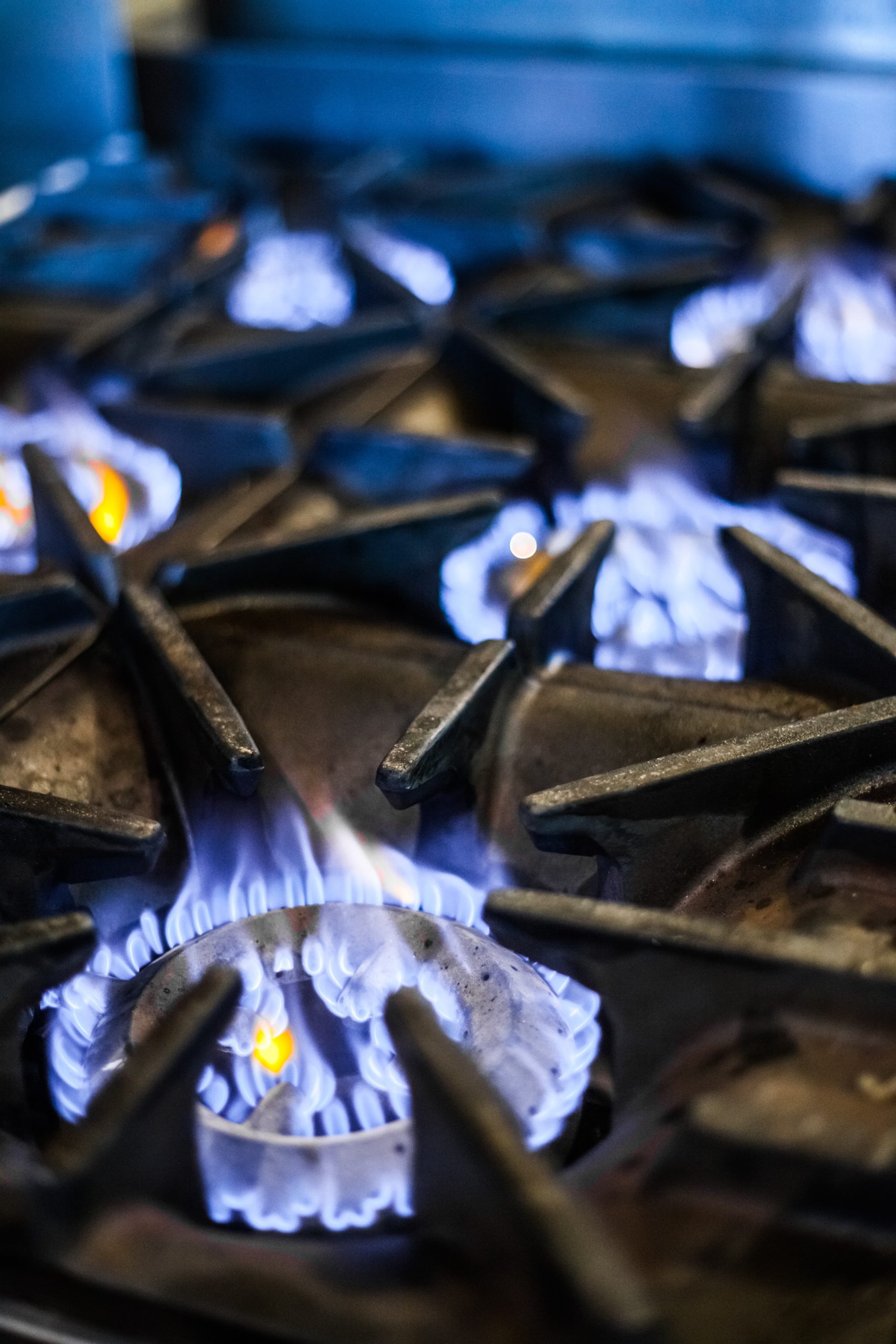
The CP12 will specify if maintenance is required to ensure the appliance is safe to use. This information will also be recorded. The engineer will usually recommend that any gas appliances are serviced in conjunction with a CP12 inspection to make sure that they are in good working order and that they are safe to use.
You can save on insurance costs by having your gas safety certificate available. Some insurers require that you have a CP12 before they will cover you. You can save money on repairs by staying on top of inspections and addressing issues as soon as they arise. This will also help speed up future insurance claims.
Tenant Requirements
While landlords are legally accountable for gas safety inspections in their rental properties, tenants have a vested interest in making sure that the appliances they have in the rental property they lease are safe to use. Tenants can help avoid accidents by requesting copies of the annual gas safety certificate from their landlord and reminding them to have these checks carried out in the manner required.
The gas safety certificate is an essential document that identifies whether or not the gas appliances and flues in your rental property are fit for purpose and safe to use. The certificate includes the list of gas appliances were inspected and evaluated by a Gas Safe registered Engineer. It also includes an assessment of the state of each appliance ('pass' or "fail"), as well as the date of the next inspection. It also lists the name and registration number of the Gas Safe registered engineer who conducted the inspection as well as the address of the property that was inspected.
Landlords are legally required to provide a copy of the gas safety certificate to all tenants within 28 days of the annual service, and to new tenants prior to their start of their tenure. Landlords are also accountable to display a copy of the gas safety certificate inside the rental property.
A valid gas safety certification could be beneficial to homeowners who are selling their home, since it indicates that the house was inspected and not fitted with dangerous gas appliances or fittings. Furthermore, a homeowner might be able to obtain insurance for their property with a valid gas safety certificate.
Some landlords can become possessive about the space they lease out and deny access to maintenance or gas safety inspections. If the landlord and tenant are unable to reach an agreement in which case the landlord must take every reasonable step to comply with the Gas Safety Installation and Use Regulations of 1998. This includes making repeated attempts to gain access and sending letters to tenants to explain that the safety checks are mandatory to ensure the safety of everyone. If the landlord cannot force access to the property for a safety check, they may need to seek legal advice.